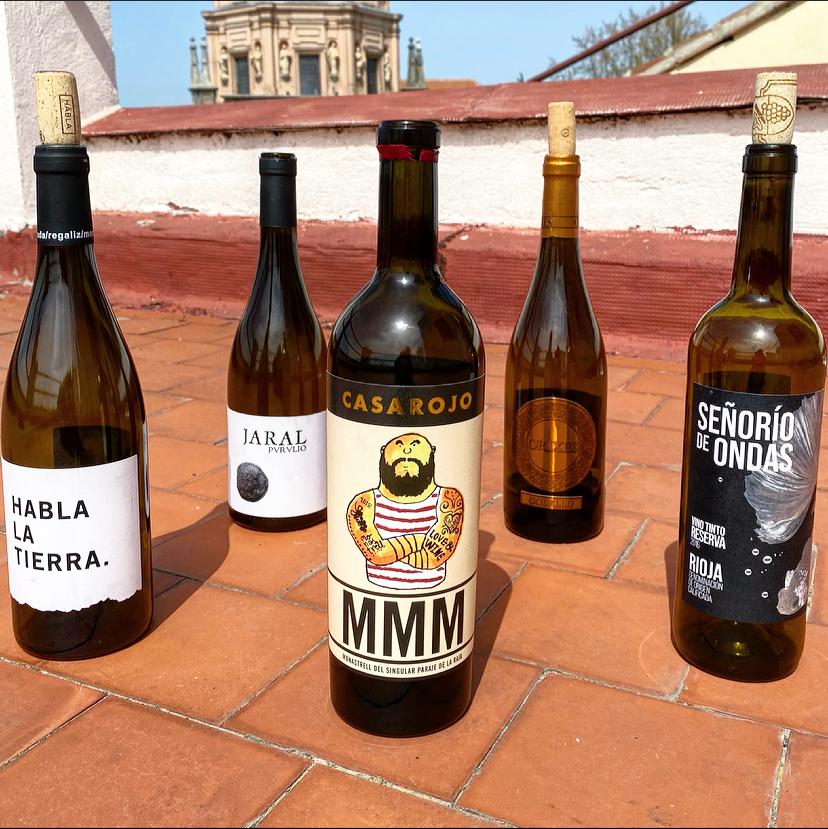
After months of planning, you’ve finally arrived in Spain for your vacation! Or perhaps you’ve decided to make the move to Sunny Spain a permanent one. Maybe you’ve been living here forever and are just starting to explore the wine world. Whatever your circumstances may be, you’ll want to get to know some of the delicious Spanish wine varieties while you’re here. Trust me, the beverage scene in Madrid, and in Spain in general, is much more than just sangria.
For someone who came from a household of strict Cabernet Sauvignon (mom) and beer (dad) drinkers, understanding these new Spanish wines was daunting at first. For years I let embarrassment about my lack of wine knowledge dictate my restaurant and bar experiences in Madrid. When asking for a vino tinto, I’ve had the tendency to ask for “lo más seco” because I truly did not know how to vocalize the flavors I was looking for in my glass. Please don’t let this happen to you! If you’re a new arrival to Spain you’ll soon learn how friendly and willing to help the people are here. If you’ve been here for a while, you already know! Waiters and bartenders are generally very helpful with suggestions so if you’re not sure which wine is which, or what will go best with your meal, ask.
You’ll realize as you sit down for your first long Spanish lunch that the wine options aren’t the typical Chardonnay and Pinot Noir you may be used to. So what will be available? In many instances, it seems like every restaurant is it’s own brand ambassador for the Spanish wine industry. In fact, it’s difficult to find a wine at a restaurant here that isn’t Spanish. Afterall, Spain is the third largest wine producing country after France and Italy. Why wouldn’t these restaurants take advantage of that?!
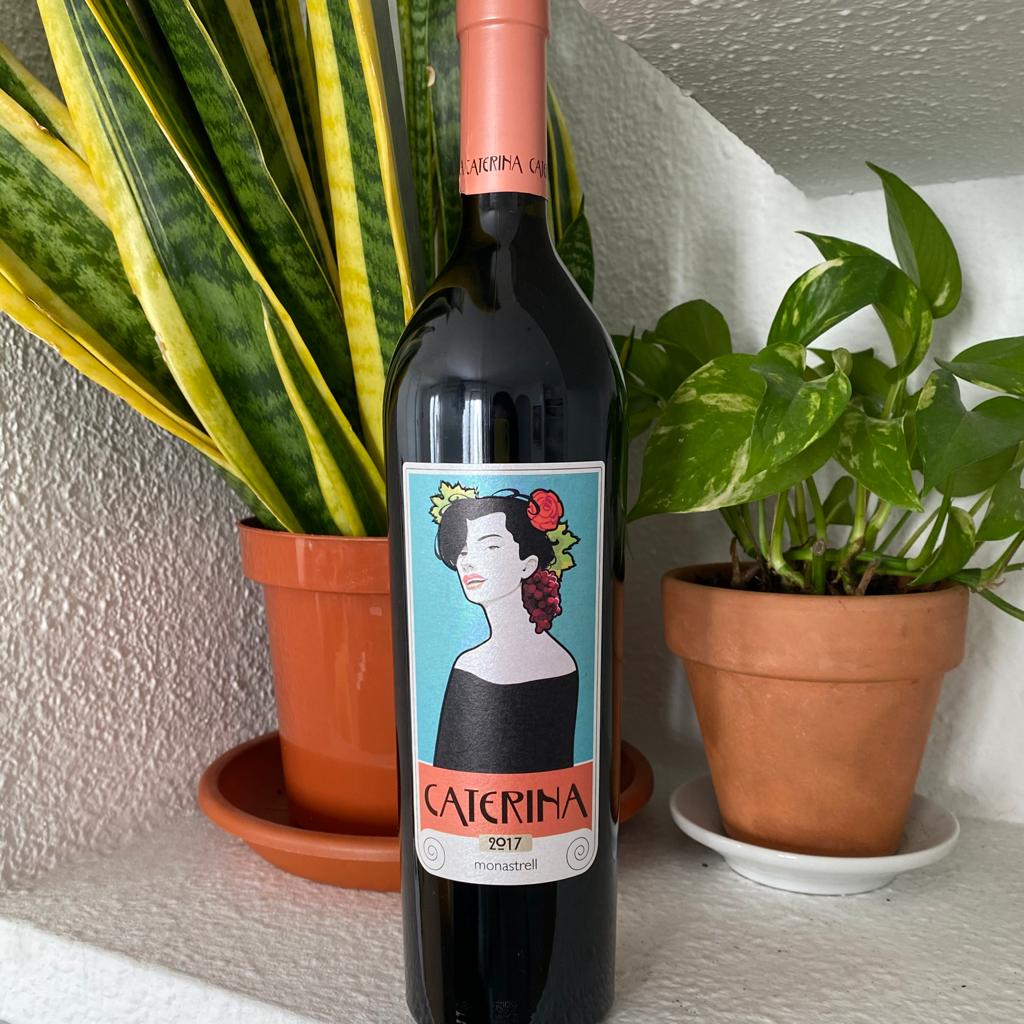
On a typical menu you’ll likely see a Rioja or Ribera for red; for whites it’s usually an Albariño or Verdejo. This may vary depending on the restaurant or the region. In the southern Mediteranian coast for instance, a Monastrell from Jumilla or Yecla might be on the red list instead. So without further ado, let’s dive into the most popular Spanish wines and wine regions.
TERMS
First off, let’s take a look at some of the terms you may see when looking at a bottle of Spanish wine:
- D.O. – Denominación de Origen You’ll often see this on the back of a bottle of any given wine. The D.O is a regulatory system based on geographical regions where wines are made. Basically this is Spain’s way of maintaining a quality control based on region, alcohol level etc.
- Crianza 1+ years in the barrel
- Reserva 1+ years in the barrel and 2+ years in the bottle
- Gran Reserva 2+ years in the barrel and 3+ years in the bottle
- Cosecha No defined aging specifications
REDS
Noticing the subtle (or in some cases, not so subtle) differences between a Rioja and a Ribera (wine regions not grape varieties) takes work. I still consider myself a beginner and I’ve tasted quite a few in the past six years! The main grapes used in these two regions are red Tempranillo grapes. While these dark beauties are the base of both Rioja and Ribera varieties of wine, the difference comes in at the fermentation and oak-barrel aging process.
- Rioja
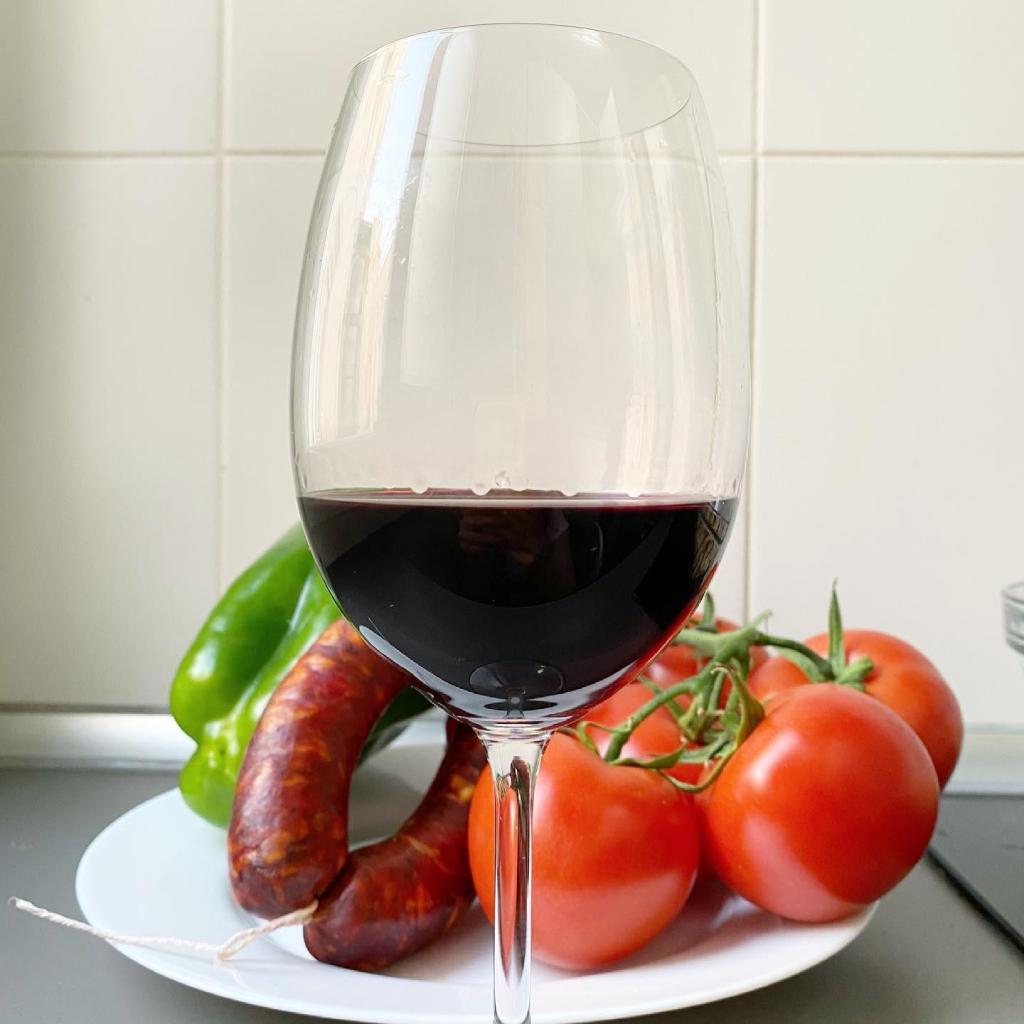
Rioja refers to the North-Central Spanish autonomous community where the grapes are grown, La Rioja. This region is the leading producer of wines in the country and is arguably the most popular wine you’ll find at a bar or restaurant (in Madrid at least). What differentiates Rioja from other wine varieties is the aging process that generally occurs in oak barrels. The grapes used are Tempranillo which result in deep colored, moderate tannin reds. These wines are often compared to Cabernet Sauvignon but I personally don’t see that many similarities and I actually like these more. They seem less complex, potentially even fruiter and as a beginner, that’s what I like right now. A Rioja wine is easy to pair with charcuterie, chorizo, stews, and lamb.
- Ribera del Duero
The region of Ribera del Duero is located deep onto the Iberian plains in the Castilla y León region in central Spain. Ribera del Duero became a Denominación de Origen in 1982 and the region boasts more than 200 wineries today. Ribera wines are bold and aromatic, I’d go as far to say heavier than a Rioja. These wines pair very well with roasted Lamb, other roasted meats and stews, portobello mushrooms, and for desert, a nice Spanish flan.
- Jumilla (Murcia)
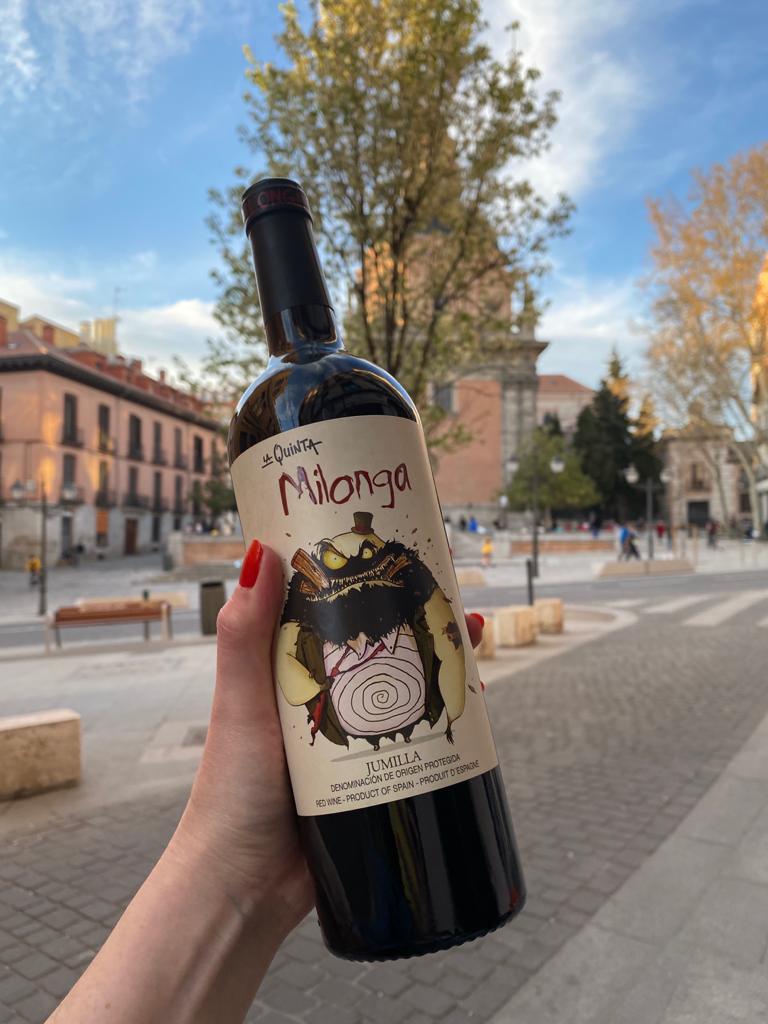
I have a strong preference for wines from Jumilla because I spent a year there after graduating college. I taught English in an elementary school and as a parting gift at the close of the year, the staff handed me a beautiful bottle of Juan Gil Silver Label 2015. I knew Jumilla was a wine town but I don’t think I fully grasped the importance wine played in the region until after I left. I also had no idea when I received my teaching placement how much influence the region would play on my life. Five years later, I’m still living in Spain! Unfortunately, I didn’t take proper advantage of my stay in Jumilla to visit any of the bodegas (something I regret.) I did try quite a few wines though.
The grapes used in the southeastern Meditteranian coast (in the regions of Murcia and Alicante) differ from those used in the Rioja and Ribera regions. Monastrell grapes are smaller, thick skinned berries and produce a full-bodied, high tannin red. This type of wine pairs well with anything hearty. I sipped on a Monastrell a few days ago with pizza and the next day with a burger (no diet going on here, don’t judge). It pairs equally well with stews, harsh cured cheese and pork. I also enjoy it with a nice dark chocolate.
WHITES
Spanish whites on the other hand are something I’m really just getting started with. In college I was a Chardonnay girl but as soon as I moved to Spain my palette quickly began to change, and I started to appreciate the realllllly dry stuff. I’m talking bone dry, almost lemon like whites. Cue Albariño. I was first introduced to this wine about three years ago when I began to explore whites again and I am a huge fan. Similarly, Verdejo is an extremely popular white option.
Something confusing and important to keep in mind when learning about Spanish wines is that while reds are usually colloquially called after the region, whites are typically refered to by the grape. Why is this other than to confuse newbie winos like myself? I’m not sure but as a general rule, it’s good to keep this in mind!
- Albariño, Rías Baixas, Galicia
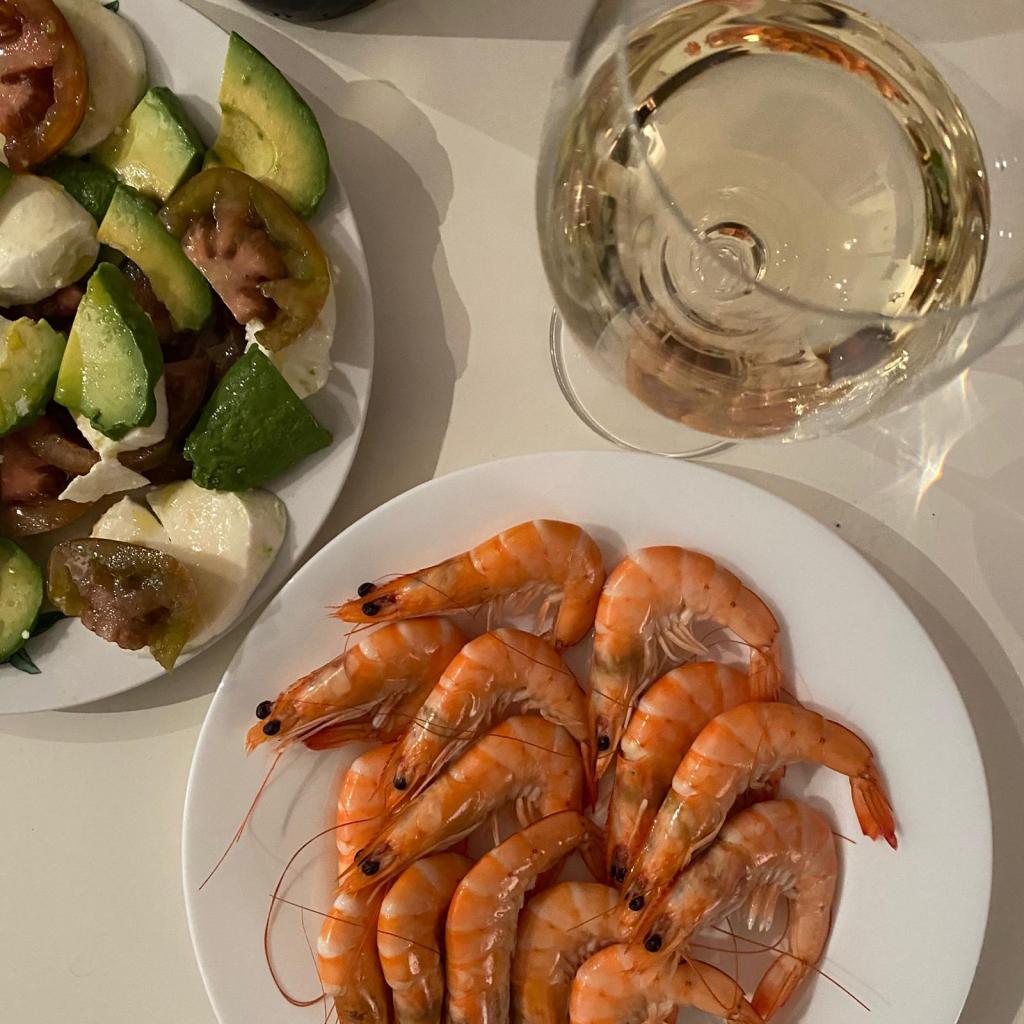
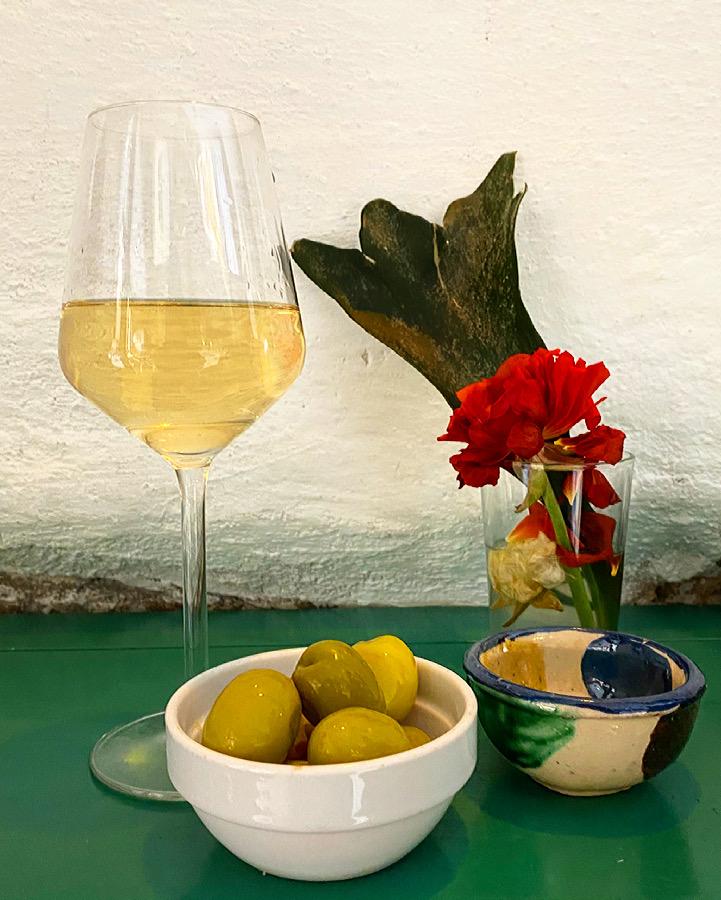
One of the most common whites in Spain and probably the most underrated varity on the international scene is the Spanish Albariño. This wine is fresh and acidic. It hails primarily from the Rías Baixas region in Northeastern Spain, Galicia. The special microclimate in this region of the country is perfect for growing white Albariño grapes. The wines produced are paired perfectly with seafood (of course – the local cuisine is highly seafood influenced!). This wine is fresh. I particularly like to drink it paired with Spanish conservas like boquerones and berberechos.
2. Verdejo, Rueda, Castilla y León
Verdejo is not a common wine on the international scene but in Spain it is common place. For those of you who love Sauvigon Blanc, Verdejo is a great Spanish alternative. It is light, dry and usually has notes of citrus. While it’s not a wine I’ve had much experience with, I do enjoy it. This wine pairs well with seafood, salads and fresh cheeses.
There are of course other types of Spanish wines that I haven’t touched on yet like Godello, Garnacha, Fino, even Spanish Cava. There’s more to come! So let me know: are you a fan of Spanish wines? Just getting started? What is your favorite kind? Are you a red or white lover? I’d love to hear from you!
 The Vino Girl